Shown here
- Destination-specific field structure and buyer-facing content.
- Required-field, image, identifier, offer, and claim-check boundaries.
- A separation between store content and marketplace output.
Walmart marketplace example
This example shows the CURT 45036 ball mount shaped into a Walmart-specific output package that is separate from your own store product page: item setup fields, visible customer content, towing attributes, logistics fields, validation checks, and a merchant review checklist.
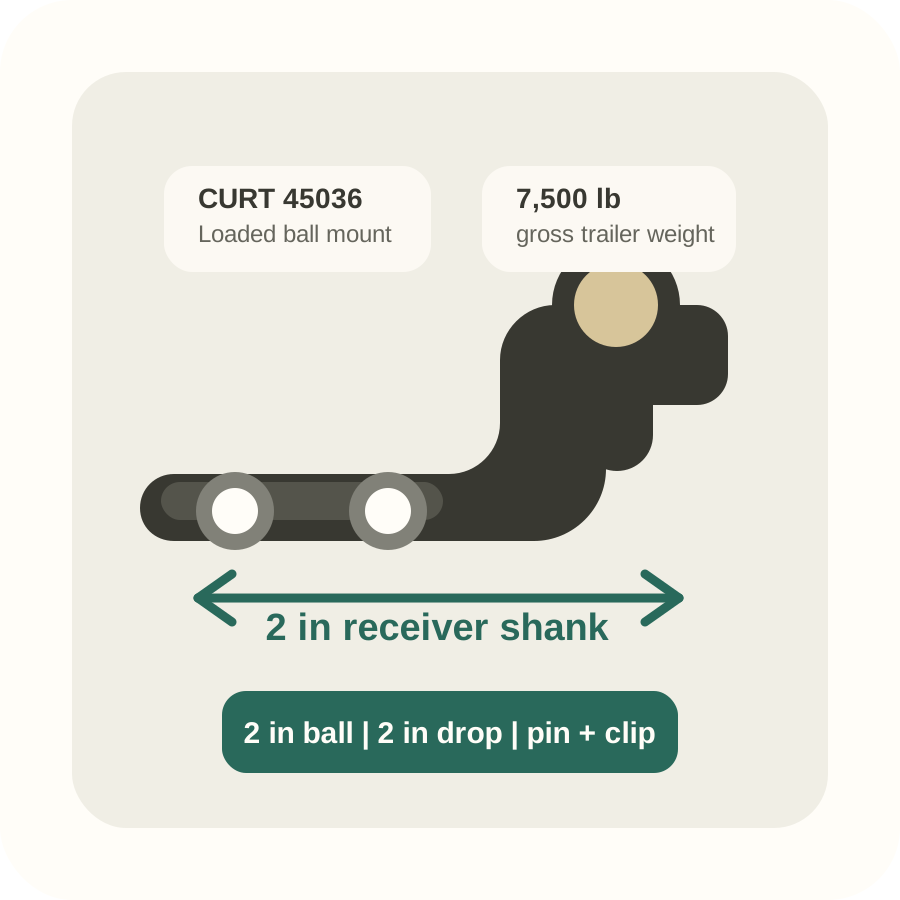
They show how checked product details can be shaped for a destination. Seller-account rules, identifiers, offers, and final marketplace action stay under merchant control.
Use these notes to separate the inputs behind the Walmart package from the checks a live merchant page still needs.
Your store product page can keep your brand voice, merchandising priorities, comparison language, and full buyer story. The marketplace version is a separate channel package shaped around the destination's field rules, validation checks, and merchant review needs.
Step 01
Walmart setup starts by checking the product type, item spec, and required field list. Existing catalog matches and new item setup follow different paths.
Step 02
Product content, identifiers, category attributes, images, package fields, and channel notes are separated into the structure Walmart expects.
Step 03
The merchant still controls product ID, SKU, price, inventory, fulfillment method, program eligibility, and marketplace action. The output package flags required-field and content issues before handoff.
A best-case Walmart package separates the sellable item, visible customer content, and fulfillment details.
| Marketplace | Walmart US |
|---|---|
| Use case | Offer setup by match if the item exists, or full item setup if it is new to the catalog |
| Product type | Towing accessory product type; confirm through Walmart taxonomy and item spec |
| MPItemFeedHeader | Business unit, locale, version, and merchant-controlled setup values |
| Orderable | SKU, product ID, product ID type, offer fields, and seller-controlled values |
| Visible | Product name, brand, descriptions, key features, images, and product-type attributes |
| Trade Item | Required for Walmart Fulfillment Services when applicable |
| Handoff checks | Required field completeness, taxonomy fit, image availability, and merchant-controlled values |
The channel version keeps customer-facing copy separate from logistics and seller-controlled fields.
| productName | CURT 45036 Loaded Ball Mount with 2 in Ball, 2 in Drop, 7,500 lb Capacity |
|---|---|
| brand | CURT |
| manufacturer | CURT Manufacturing LLC |
| keyFeatures | Fit, ball size, capacity, drop, included parts, and finish |
| shortDescription | Concise Walmart-friendly product summary |
| longDescription | Detailed buyer explanation without store-only formatting |
| mainImageUrl | Approved primary image URL |
| category attributes | Receiver size, ball diameter, drop, gross trailer weight, tongue weight, material, finish |
| WFS fields when used | Customer-provided dimensions, weight, country of origin, and package details |
| issue alerts | Missing product ID, missing image URL, incomplete logistics fields, or unsupported claims |
The CURT 45036 loaded ball mount is prepared for Walmart as an item setup package, not a copy of the store product page. The Walmart version separates product name, key features, description, images, category fields, identifier requirements, and fulfillment fields before merchant handoff.
Request a workflow review to compare your current product record with a marketplace-specific output package prepared for field rules, buyer content, and validation checks.